Trending

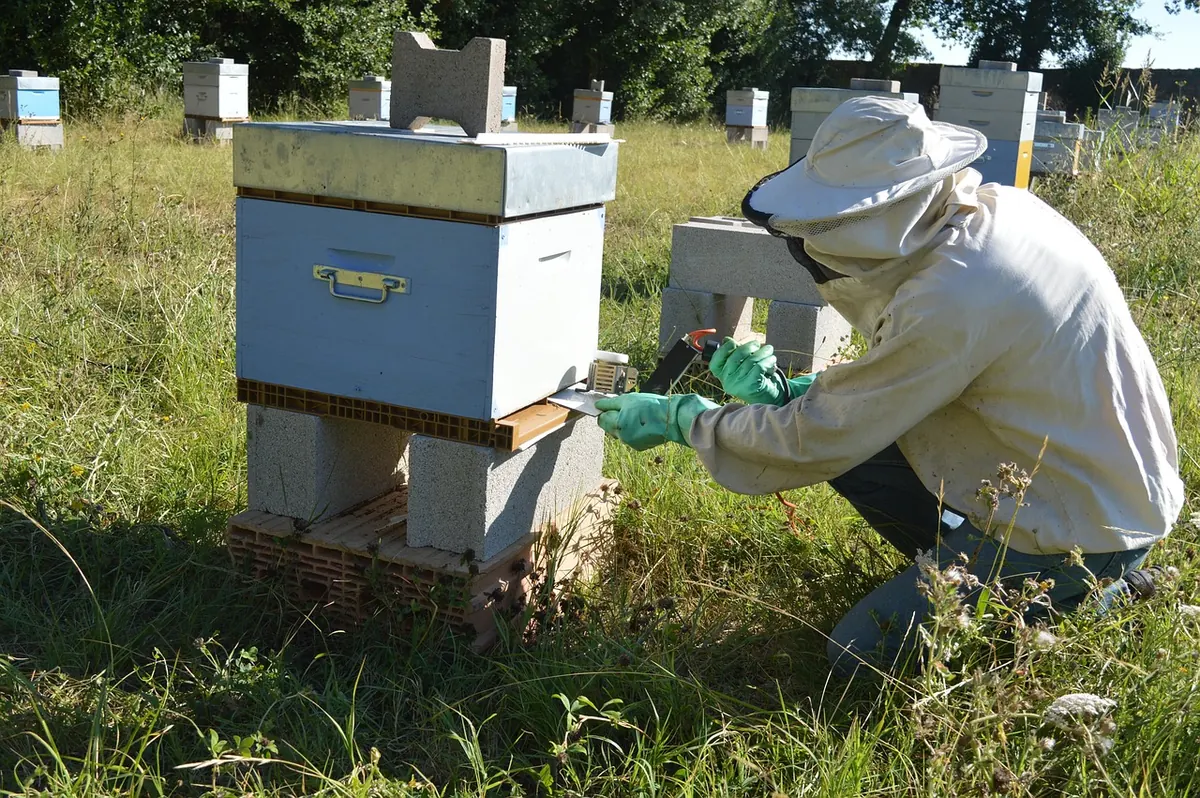
Ask ten Scottish beekeepers which hive is best and you will get ten answers, delivered with conviction and occasionally while waving a hive tool. All three of the main options — National, Langstroth and Commercial — will keep bees perfectly well north of the border. What differs is how they handle our damp, windy summers, how heavy they become when the heather is on, how easy it is to buy a spare floor on a Saturday morning, and how well they suit the way you actually manage colonies.
Our season starts late and finishes early. Colonies build up slowly through a cold spring, then hit a rush of forage — willow, sycamore, oilseed rape where it grows, bramble, clover and lime — before the ling heather arrives in late summer on the hills. Winters are long, wet and windy, and most experienced beekeepers here will tell you that damp kills more colonies than cold ever does.
So the ideal hive for Scotland is weather-tight, draught-free but not sealed shut, generous enough in stores to see bees through a wet June, and light enough that you can still lift a full box in your sixties. Wind is the other factor: an exposed site will rattle a stack of shallow supers, so straps, weighted roofs and a decent windbreak matter more than the badge on the boxes.
If you learned beekeeping in Britain, you learned on a National. The standard brood box takes frames of roughly 14 by 8½ inches, and the supers are the same footprint, which means everything stacks neatly and spare parts are everywhere — associations, suppliers, auction sales and the back of a neighbour's shed.
The great advantage is not the design; it is the ecosystem around it. Nucleus colonies come on National frames. Mentors can lend you a spare super. If you need to move a frame of brood into a queenless colony two miles away, someone will have one that fits.
The standard brood box is cramped for a really prolific queen, which is why so many Scottish beekeepers run the 14x12 brood box — a National with a deeper frame and considerably more brood space, still under National supers. Shallow supers are easy on the back, though you will handle more of them. On a windy site, strap the stack down; a light empty super on top of a tall hive is a sail.
The Langstroth is the most widely used hive in the world. Its brood frames are noticeably longer than a National's, so a single brood box holds a large colony, and each super carries more honey per box lifted. In polypropylene it is warm, light for its size and shrugs off rain.
Its strengths show up when you are running more than a handful of colonies, chasing a crop rather than watching bees, or moving hives to the heather. Fewer boxes, fewer manipulations, less time per colony. It is also the standard for most commercial beekeeping worldwide, so kit is widely available by mail order.
The drawbacks are local. Second-hand Langstroth gear is less common in Scotland than National, and buying a nuc means either finding a Langstroth seller or shaking bees onto your own frames. A full deep brood box is genuinely heavy. Many beekeepers solve that by running all-medium boxes, accepting more frames to inspect in exchange for a back that still works on Monday.
The Commercial hive sits between the two. It shares the National footprint but takes a deeper, longer brood frame, giving a large brood nest in one box while National supers generally still fit above. Beekeepers who run it tend to be after brood space without the faff of double brood boxes, and it suits strong colonies on a good flow.
The trade-off is weight. A Commercial brood box full of bees, brood and stores is a serious lift, and if you keep bees on a slope or in a boggy corner of a field you will want a pallet, a barrow or a helper. It is also the least common of the three in Scotland, so second-hand frames and boxes are thinner on the ground.
Hive type does not make honey; forage, colony strength, swarm control and weather do. A box size changes how many boxes you stack and how often you open the hive, and that is where the real difference lies. A bigger brood nest can raise more bees, which can bring in more nectar — but it also means more mouths to feed if the flow fails in July, which happens often enough here.
In a variable Scottish summer, a moderate brood nest with plenty of stores and a good queen is a safer bet than pushing for maximum brood. A Langstroth or Commercial hive gives you fewer, larger boxes to manage; a National gives you smaller lifts and easier improvisation. Both can produce a decent crop in a good year and nothing much in a bad one.
There is no wrong answer here, only a hive that fits your site, your strength and your bees. Choose once, buy sensibly, and get on with the part that actually matters.
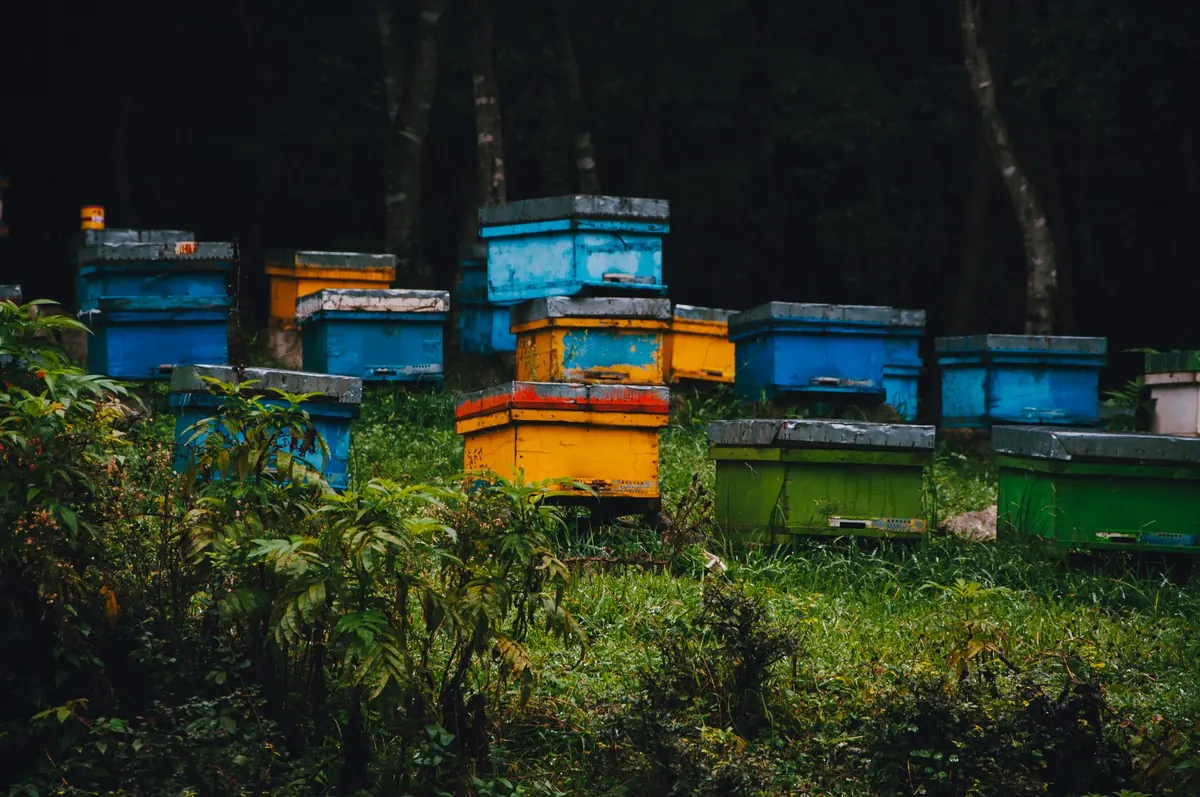
Photo: Nima Mot / Pexels