Trending

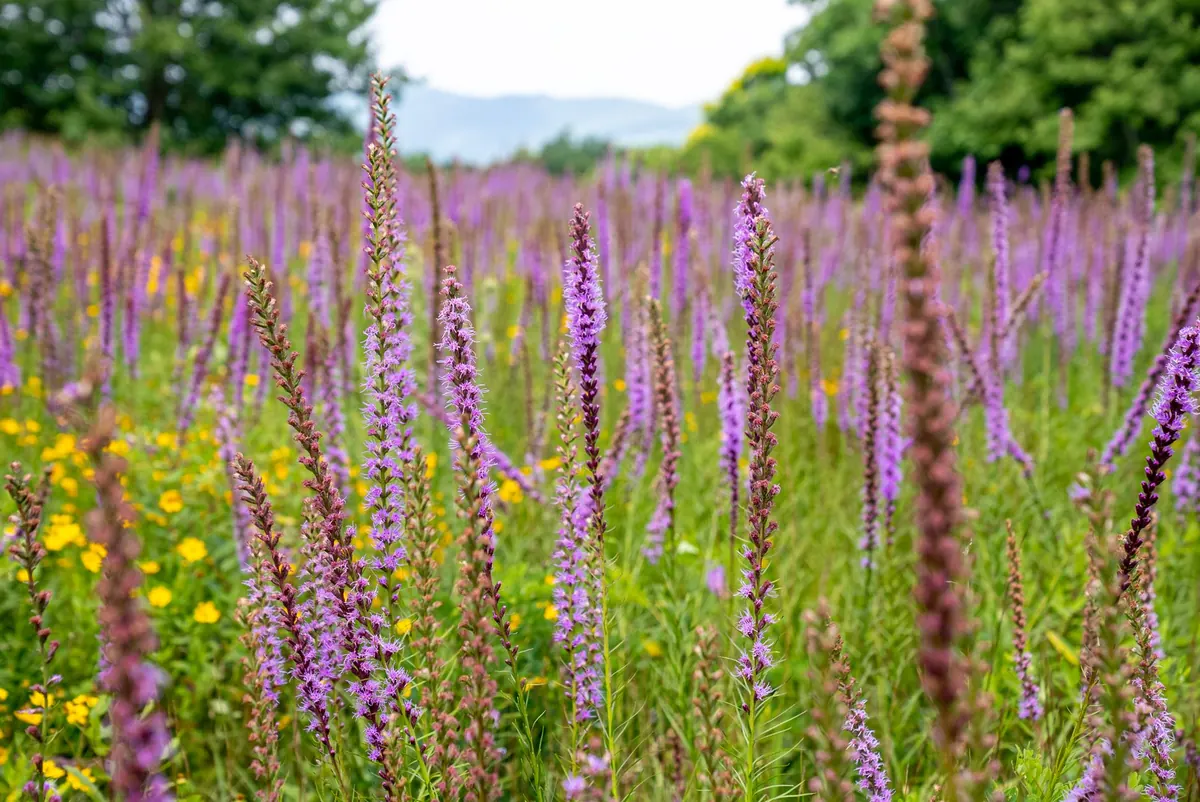
Scottish bees work a short, sharp season. In a kind year the flow runs from April into September; in a poor one, a fortnight of cold east wind and rain can wipe out the best of it. Native wildflowers are the buffer. They flower when the weather allows, they ask for no feeding or spraying, and they already suit our soils and rainfall. Here are twelve worth finding room for, season by season.
April and May are about brood, not honey. The queen is laying hard and nurse bees are hunting pollen, so anything with an open flower in a cold snap earns its space.
Dandelion (Taraxacum agg.) is the most underrated plant in the country. One deep taproot that resents being moved, so mark the clumps and leave them alone. A couple of square metres of lawn left unmown until June will carry a colony through a fortnight of grey weather.
Cuckooflower, or lady's smock (Cardamine pratensis), wants the damp, rushy corner that never quite dries out. Lilac-pink flowers from April, and it seeds itself about happily if the grass is left long until July. It is also the food plant of the orange-tip butterfly, which is reason enough.
Ramsons (Allium ursinum) grows in woodland shade on damp soil, flowering white in May with a heavy nectar yield. It is slow from seed — think three or four years — so plant bulbs or lift and divide established clumps in late summer instead.
Common gorse (Ulex europaeus) smells of coconut and flowers on poor, acid, coastal ground. Pollen is available even in mild January spells when little else is. Bees need warmth to work it, so give it full sun and shelter from the worst of the wind.
Once the spring blossom and dandelions finish, there is usually a lull before the main flow. In Scotland that gap tends to fall between mid-June and mid-July, later the further north you go.
Foxglove (Digitalis purpurea) is a biennial that seeds into disturbed, acid ground — a cleared bank, a muddy gateway, a patch of bare peat. Its long tubes suit bumblebees rather than honeybees, but it fills a hungry fortnight. Sow in late summer where you want it and resist tidying.
Bird's-foot trefoil (Lotus corniculatus) is a low, scrambling legume for dry banks, gravel and poor grass. It fixes its own nitrogen, flowers from May right through to September, and keeps bumblebees busy for months.
White clover (Trifolium repens) is the easiest win of the lot. Stop mowing a strip of lawn, or leave the clover in a rough paddock, and honeybees will work it hard from June onwards. Red clover is worth adding too, though its longer tubes suit bumblebees better than honeybees.
Wild thyme (Thymus polytrichus) is the Scottish native, a low mat of pink flowers on dry banks, gravel paths and coastal turf. It gives strong nectar in midsummer and wants nothing but sharp drainage and full sun.
Common knapweed (Centaurea nigra) looks like a thistle without the spines. Purple, nectar-rich flowerheads from July to September, and one of the best plants you can put in a rough meadow. It is happy on neutral or slightly acid soil and stands up to wind far better than most.
Meadowsweet (Filipendula ulmaria) is for wet ground — ditch edges, burn sides, boggy corners. Creamy froth through June and August with a heavy scent. Plant it where the ground is reliably damp, because it sulks in a dry border.
Heather (Calluna vulgaris) is the one that matters most here. On acid moorland and peaty soils it flowers from late July into September, later in the Highlands, and gives the heather honey Scottish beekeepers chase. A wet August can ruin the crop, so treat it as a bonus rather than a certainty. Never burn or flail it in the flowering months.
Devil's-bit scabious (Succisa pratensis) rounds the year off, flowering into October on damp neutral or acid pasture. Those late flowers feed the long-lived winter bees that will carry the colony through to spring. Seed it into rough grazing or meadow margins and hold off cutting until it has set seed.
Work with what your site already gives you rather than fighting it.
Start smaller than you think. A single square metre of rough, unmown grass that actually flowers beats a wildflower meadow mix that fails in its first wet winter. Plug plants establish far more reliably than seed in a Scottish climate, particularly for perennials such as scabious and knapweed.
Autumn planting is ideal — the soil is warm and rain does the watering — but early spring works if you keep an eye on slug damage. Never add fertiliser or compost to a wildflower patch; you will simply grow grass and nettles. Cut the whole area once a year, in late August or September, and take the cuttings away so fertility drops and the flowers come back stronger.
Buy British native seed from a supplier who states provenance, and check mixes for invasive species such as Himalayan balsam. Do not lift plants from the wild. Collecting seed needs the landowner's permission, and never from a protected or designated site.
Get the ground right, keep the mower off until midsummer, and the flowers will find their own level — along with every bee within a mile.
Photo: Mark Stebnicki / Pexels