Trending

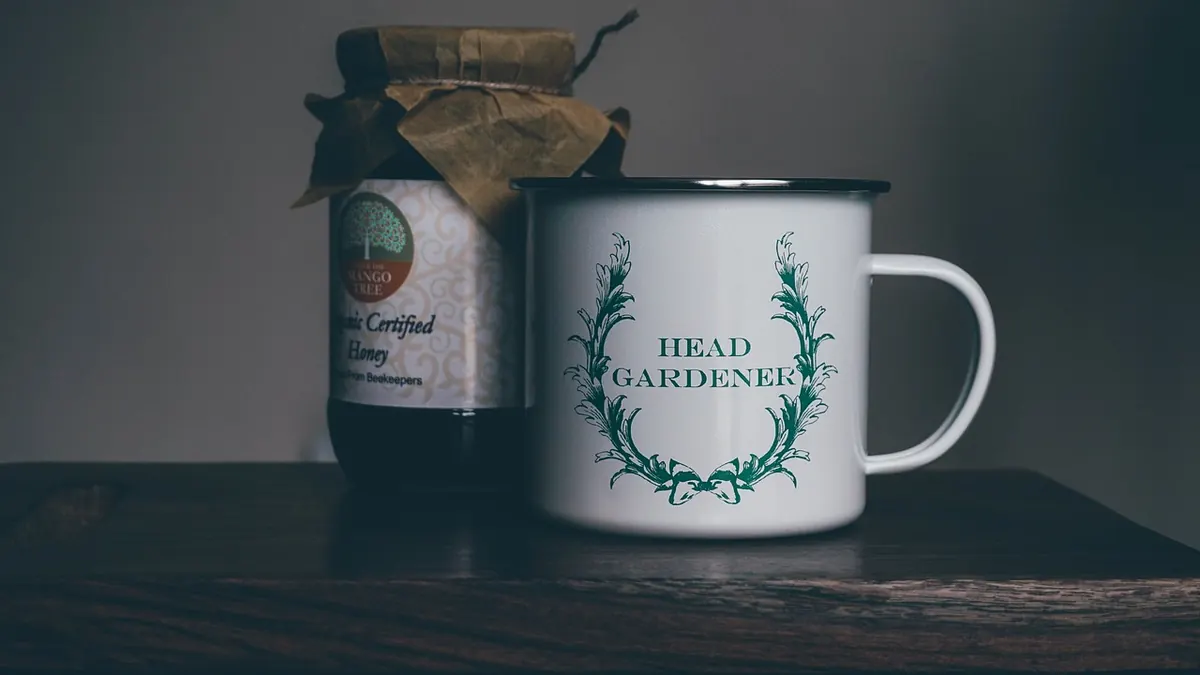
There's a particular satisfaction in seeing a batch of honey through from a hive inspection to a row of jars on the shelf. The beekeeping gets the attention, but processing is where a good crop becomes a good product. Small-batch processing isn't complicated. It rewards patience, clean kit and a bit of forward planning, and it's well within reach of anyone running a handful of hives.
Honey should be as fully capped as you can manage before you take it off. Uncapped honey can carry a higher water content, and honey that's too wet will ferment in the jar no matter how carefully you filter it. A refractometer takes the guesswork out of this; without one, judge by the frames and leave patchy supers for another week if the weather allows.
Scottish seasons being what they are, you'll often be extracting in a hurry between showers. Warm the room rather than the honey if you can. A super left in a cool room overnight comes out more easily than one pulled straight from a cold shed, and frames stored somewhere dry and airy carry less condensation.
Filtering does two jobs: it removes wax, bee debris and bits of propolis, and it gives you some control over how the honey looks in the jar.
A two-stage approach works well. Start with a coarse sieve to take out the obvious debris, then pass the honey through a finer mesh. Many small producers use a double sieve that sits over the settling tank, with a coarser top section and a finer lower one. That saves pouring the honey twice.
How fine you go is a choice. A very fine filter, particularly with warmed honey, will strip out much of the pollen and give you a very clear result. Some buyers like that; others value a honey that still looks and tastes like it came from somewhere specific. Decide what you want before you start rather than halfway through.
Heather honey is a case apart. It's thixotropic, thickening in the comb and loosening when agitated, and it won't flow through a filter like a spring crop. Gentle warming helps it along. Whatever the crop, don't force honey through a fine filter with pressure or heat; it's slow, and overheating damages the aroma and enzymes that make your honey worth buying.
Once filtered, honey needs time. Settling lets air bubbles rise and any remaining fine wax float to the surface. A settling tank with a tap at the bottom is the standard tool, but a clean food-grade bucket works for small volumes.
Leave it somewhere warm and quiet. A warm room, or a cupboard with a gentle heat source, will speed settling. In a cold Scottish winter, honey in an unheated shed will sit thick and slow, so plan where it's going before you fill it.
Settling takes days, not hours. Overnight is rarely enough. Check after 24 hours, then again the next day. Skim the foam and any wax from the top with a clean spoon before you draw honey off from the tap. Draw from the bottom and leave the last inch or so behind, where the debris tends to sit.
Honey is naturally hostile to most spoilage organisms, but that's no reason to relax. Dirty equipment, damp jars and sticky surfaces are how a good batch picks up off-flavours, and how a speck of dust ends up in a jar you're selling.
A workable routine:
Honey jars best when it's slightly warm and runny, but not hot. A gentle warming cabinet or a warm room is ideal; a hot oven is not. Honey that's too cool is slow and awkward, and you'll get more drips and bubbles. Honey that's too hot risks losing flavour and setting up crystallisation later.
Fill jars to a consistent level, leaving a small headspace. A jug with a lip, or a jarring tank with a tap, gives more control than a ladle. Fill over a tray to catch drips, wipe the rim, and cap firmly.
If your honey crystallises in the jar, that isn't a fault. Some honeys, particularly from oilseed rape or ivy, set quickly and firmly. You can sell it as a set honey, or warm the jar gently in a water bath to return it to liquid, but repeated warming affects quality.
A neat label does more for a small producer than any amount of advertising. It needs to be accurate, legible and secure.
At a minimum, include:
Honey sold in the UK has labelling requirements set out in food regulations. If you sell regularly or at any scale, check the current rules or take advice from your local authority's trading standards team. If you supply shops or markets, ask what they expect as well. Getting this right early saves reprinting labels later.
Beekeepers who find processing easy are usually the ones who've settled into a routine. Extract into a clean tank, filter coarse then fine, leave it to settle for two or three days, skim, then jar when the honey is warm and the afternoon is free. Keep your jars clean and your labels ready before you start, and keep notes on each batch: the hive, the date, the crop, the weight. Next year's processing will be better for it, and if a customer asks about a particular jar, you'll know exactly what's in it.
Photo: StockSnap / Pixabay