Trending

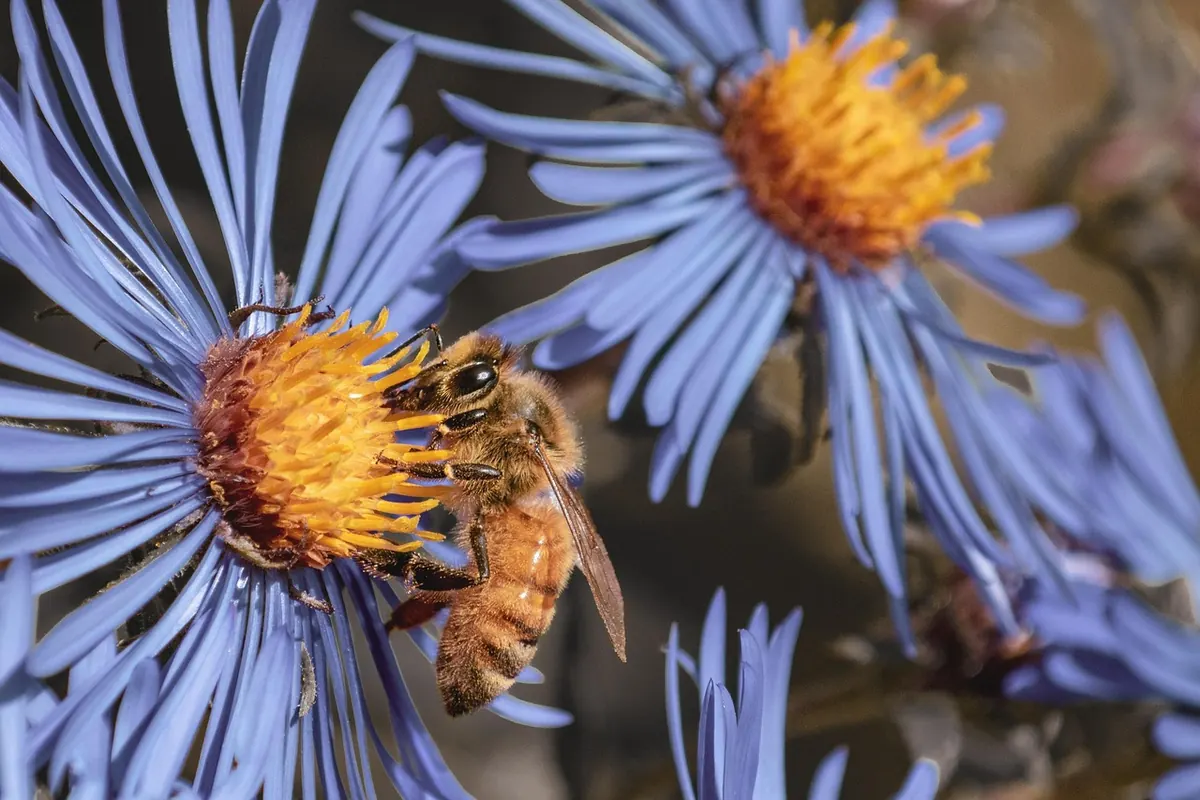
Wildflower patches are often sold as a quick fix: scatter seed, stand back, wait for the bees. In a Scottish garden it rarely works like that. Our soils, our short growing season and our wind all have a say in what survives. Get the basics right, though, and a strip of native flowers will settle in, return year after year, and feed honeybees, bumblebees and solitary bees from the first dandelions of spring until the frosts.
The most common reason a wildflower patch fails is soil that is too rich. Most meadow plants evolved on thin, poor ground where grass grows slowly and flowers get their share of light. If your garden produces nettles, docks and thick green grass without much help, that same soil will smother your seed.
Scottish soils vary enormously — heavy clay through the central belt, lighter and drier ground in Fife and Angus, thin peaty stuff in the west and north. All of it can grow wildflowers. What you are aiming for is low fertility, not a particular pH.
If your ground is rich, you have three sensible options:
Whatever you do, don't add compost, manure, fertiliser or mushroom compost, and don't spread topsoil over the area. Meadow plants want the opposite of what a vegetable bed wants.
Sunlight is the other non-negotiable. Aim for at least six hours of direct sun in midsummer. A south-facing slope is ideal, but a level site with an open southern sky works well too. Watch where the shadow falls in June rather than in December — a low winter sun behind a wall means very little, while a big sycamore shading the patch at midsummer means a lot.
Avoid the bottom of a slope where cold air settles. Frost pockets blacken new growth and knock back young plants just as they are getting going. On the west coast, some shelter from the prevailing south-westerlies makes a real difference: bees won't work flowers that are being battered sideways. A low hedge or fence on the windward side is enough, and it gives pollinators somewhere to rest.
If part of the garden squelches through winter, don't fight it. Wet ground has its own bee-friendly plants — cuckooflower, meadowsweet, ragged robin, purple loosestrife and devil's-bit scabious all thrive there and are excellent forage.
A north-facing, heavily shaded garden won't support a meadow. It will support a woodland edge, though: foxglove, red campion, wood avens, wild garlic and bluebell, with willow and bramble nearby for early nectar.
Buy from a supplier who lists every species on the packet and states where the seed comes from. Native should mean native to Britain, and ideally of Scottish provenance. Cheap mixes often bulge with cornfield annuals — poppies, cornflowers, corn marigold — which give a bright first summer and then disappear. They aren't useless, but they aren't a meadow either.
A reliable basic mix for a sunny Scottish patch would include:
Think about which bees you're feeding, too. Honeybees and short-tongued bumblebees work clovers, knapweed, willowherb and bramble. Long-tongued bumbles need deeper flowers — dead-nettle, comfrey and foxglove are worth adding at the edges.
Please don't collect seed from the wild. It is often illegal on protected sites and can damage fragile local populations. Buying seed is cheaper than it looks and does far less harm.
Late August to mid-October is the best window in Scotland. The soil is still warm, autumn rain usually arrives on cue, and seedlings get established before winter. Spring sowing can work, but you may need to water through a dry April and May.
The first year looks scruffy. Mow every six to eight weeks down to about 5–7cm and take the cuttings away. This knocks back annual weeds and stops grass running away with the plot. You'll see a few flowers; the real show comes in years two and three.
Once the patch is established, the mowing regime decides whether it stays flowery or turns into a patch of coarse grass.
Main cut: late July to the end of August, once the majority of flowers have set seed. Cut to 5–10cm and collect the hay. Leaving cuttings on the ground adds fertility and smothers the plants underneath — the opposite of what you want.
Tidy cut: October or November if you prefer a neater look. Or leave the whole patch standing through winter. Seed heads feed birds, hollow stems and tussocks shelter insects, and the dying material protects plant crowns from hard frost.
Rotational cutting: cut half the patch one year and the other half the next. This guarantees somewhere for insects to sit out the winter and somewhere for seed to drop each season.
Never cut between April and July if you want flowers. That is the entire point of the patch.
In much of Scotland there's a lull from mid-June to mid-July, after spring blossom has finished and before the meadow flush. Clover left in the lawn, a few comfrey plants and a patch of borage will carry bees through it.
Patience is the main ingredient. Allow three years before judging whether it has worked, and expect the mix to shift as the ground changes. A few small additions make a measurable difference:
After that, mostly leave it be. A bee-friendly wildflower patch is a
Photo: AdamNir / Pixabay